
THEMES, RESEARCH AND INNOVATION
Sea ice and polar aerosol systems: natural field laboratories for exploring global climate
Article created in collaboration with Manuel Dall’Osto, a researcher specializing in atmospheric sciences and aerosol emission processes in marine and polar environments.
Arctic and Antarctic: two poles, two different worlds
Although often mentioned together, the Arctic and Antarctic are fundamentally different systems.
The Arctic is an ocean covered by ice, surrounded by land, with a relatively more dynamic environment and significant biological and human presence. In contrast, the Antarctic is a rocky continent covered by a thick ice sheet, the coldest on the planet, without permanent populations and inhabited solely by scientific communities and penguins.
These structural differences lead to distinctly different aerosol–atmosphere dynamics, as highlighted by numerous scientific studies and the most recent IPCC reports. However, despite these differences, both regions share a crucial element: the interaction between ice, ocean, and atmosphere. These phenomena, while manifesting differently at the two poles, give rise to physical and biogeochemical processes that are fundamental for the formation of marine aerosols and their role in the global climate.
When ice meets the atmosphere
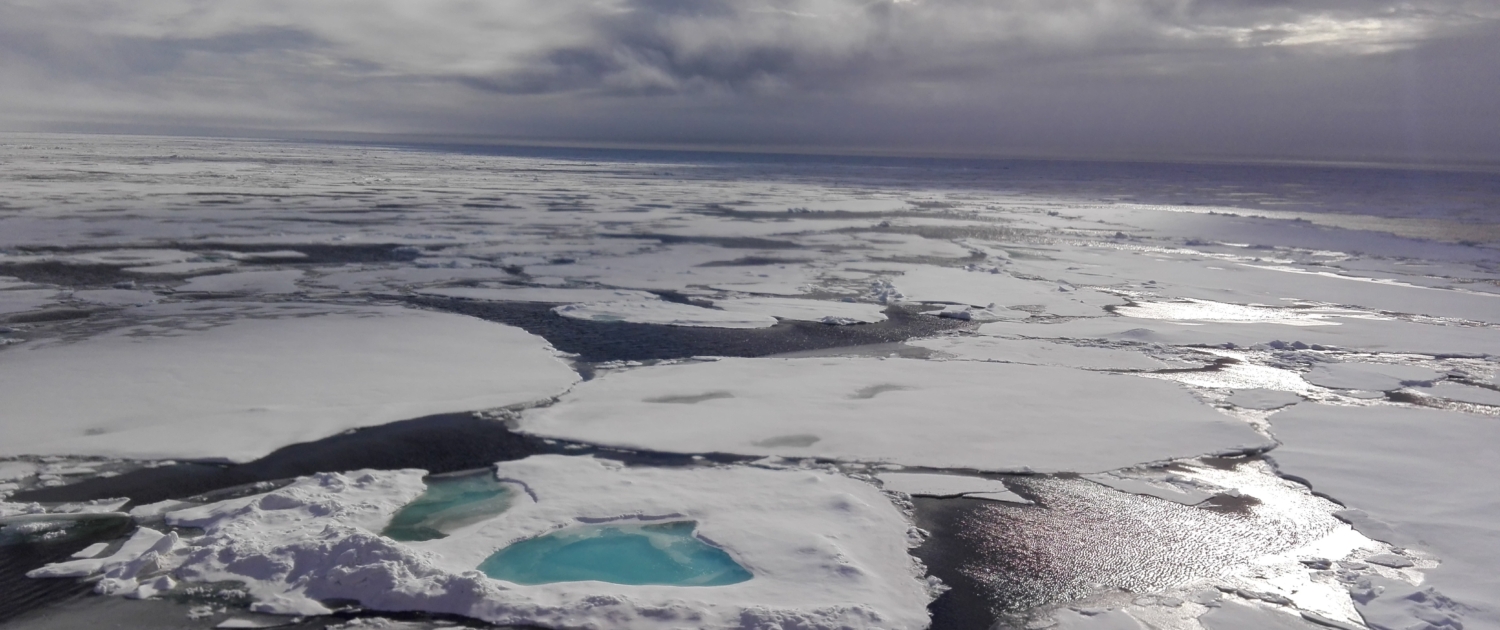
Polar regions represent some of the most complex and fascinating natural laboratories on the planet. Here, ocean, ice, and atmosphere continuously interact, giving rise to physical and biogeochemical processes that influence the global climate far more than their geographic extent might suggest.
In this context, the polar oceans produce significant amounts of marine aerosols—liquid droplets and fragments of solid material suspended in the atmosphere—that modulate Earth’s albedo and play a crucial role in climate regulation.
Why are marine aerosols so important?
The Earth’s atmosphere, which covers the planet’s surface, plays a crucial role in making Earth habitable: it filters ultraviolet radiation and contributes to surface warming by trapping some of the heat. Considering that over two-thirds of this surface is covered by oceans, it is unsurprising that they represent one of the main sources of natural aerosols.
Marine aerosols influence the climate in two main ways:
-
Directly, by interacting with solar radiation through scattering and absorption.
-
Indirectly, by modifying cloud properties, acting as condensation nuclei.
Despite their importance, aerosols remain one of the largest sources of uncertainty in climate models, particularly regarding their impact on clouds and the planet’s radiative balance.
In the polar marine system, ice formed from the freezing of seawater constitutes one of the largest biomes on Earth, covering about 7% of the global oceans, with strong seasonal variations between the Northern and Southern Hemispheres. These environments host remarkable biological activity: algae, bacteria, and viruses adapted to extreme conditions contribute to the production of biogenic aerosols, which enter the atmospheric cycle and influence cloud formation.
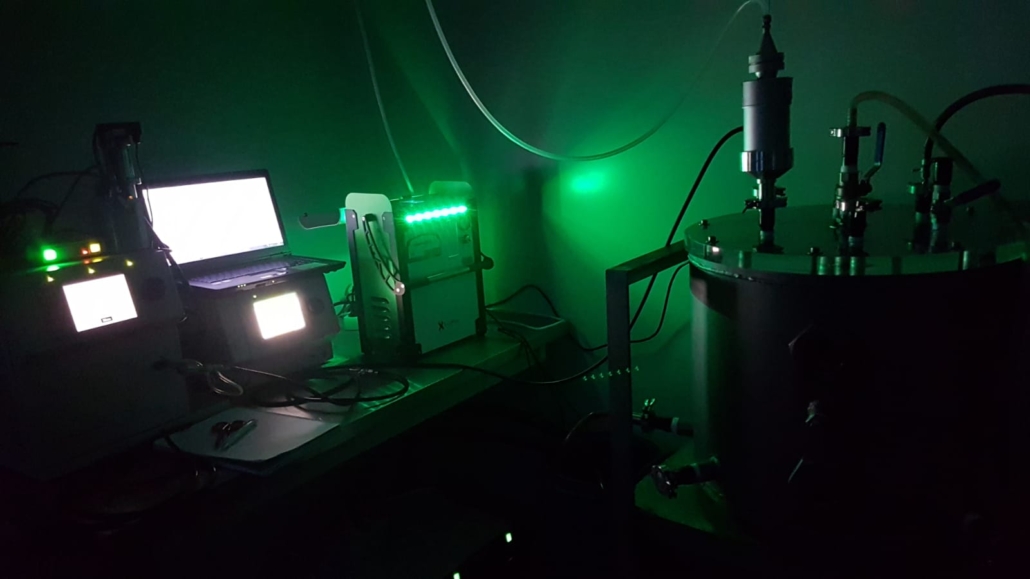
The dynamics of sea ice remain difficult to reproduce in climate models, and forecasts indicate a drastic melting within the coming decades. For this reason, it becomes essential to understand the large-scale marine biogeochemical processes occurring near and across the ocean–atmosphere interface, and to study their future evolution.
In particular, analyzing the sources, transformations, and sinks of polar aerosols—together with their links to the chemical and biological processes of sea ice and surface waters—helps clarify the interactions and feedbacks between the polar oceans and the atmosphere. This information is essential not only for understanding the climate in polar regions but also for assessing the impacts on global climate dynamics.
Controlled generation of aerosols in the laboratory
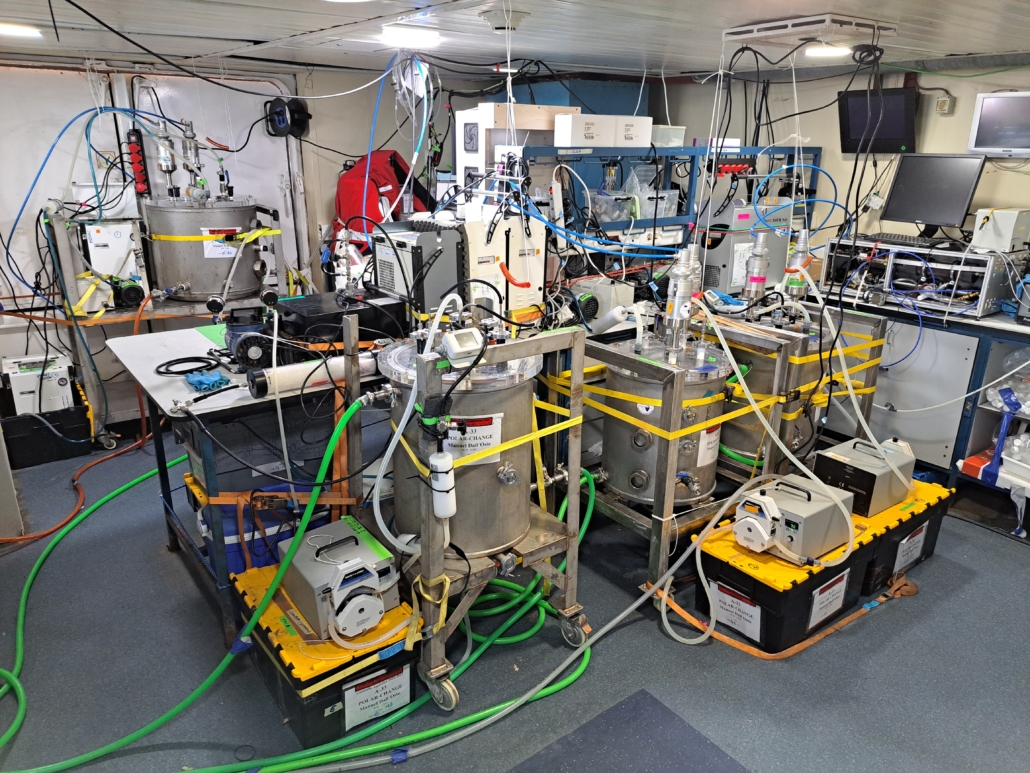
To study the production of marine aerosols and their role in the polar climate in a reproducible way, researchers use state-of-the-art marine aerosol generation chambers (as shown in the photo beside).
In these systems, seawater is circulated by a peristaltic pump from the bottom of the tank to the surface, where it falls as artificial rain.
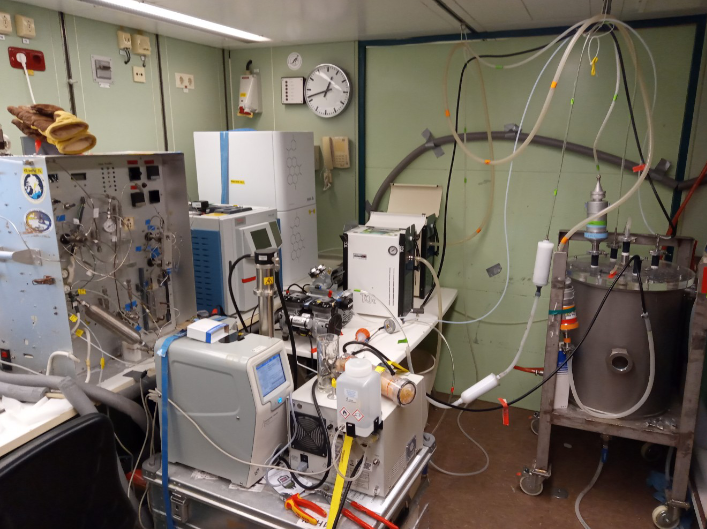
This process traps air, generates bubbles, and, through their bursting and atomization, produces aerosols analogous to those naturally formed in the ocean.
To characterize the marine chemistry that may contribute to cloud formation, these aerosols are sampled using TCR Tecora® instrumentation, employing PM1 impactors, 47 mm quartz filters, and high-precision pumps.
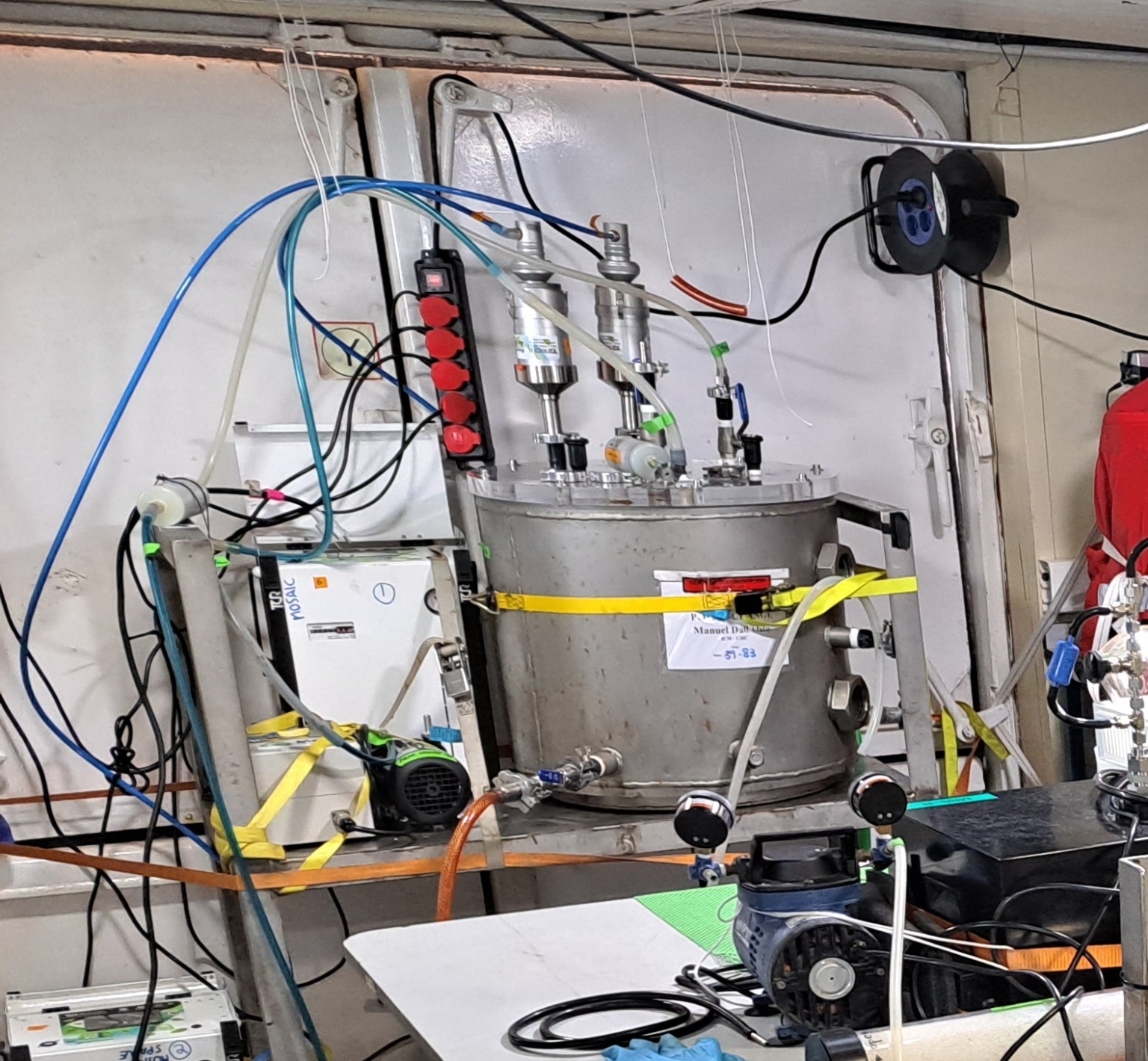
Polar regions, among the largest and most complex ecosystems on Earth, host organisms highly adapted to extreme conditions. Sea ice and its microbiota—including algae, bacteria, and viruses—constitute an important source of aerosols that feed the population of cloud condensation nuclei. Understanding these processes at the air–sea–ice interface is essential for characterizing the feedbacks between the biosphere and the climate, as aerosols influence cloud formation and brightness, with direct effects on the surface energy balance and ice melt.
The goal of the research is to clarify the influence of marine aerosols on the radiative balance and cloud droplet formation, helping to reduce the current uncertainty regarding radiative forcing in a rapidly changing climate.
TCR Tecora® on the world’s polar routes
These processes of interaction between wave motion, sea ice, and aerosol formation have been at the center of major scientific expeditions conducted in recent years.
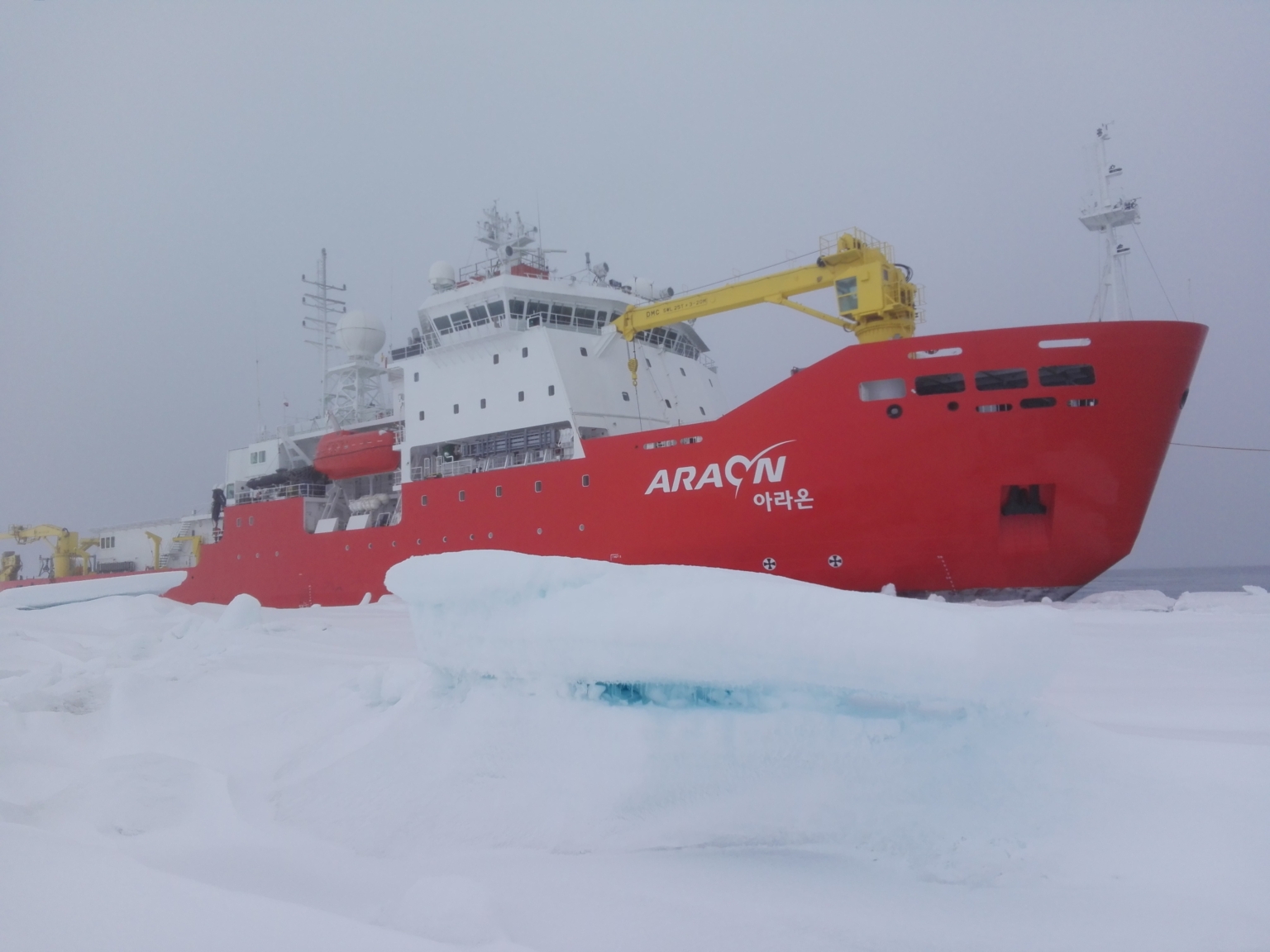
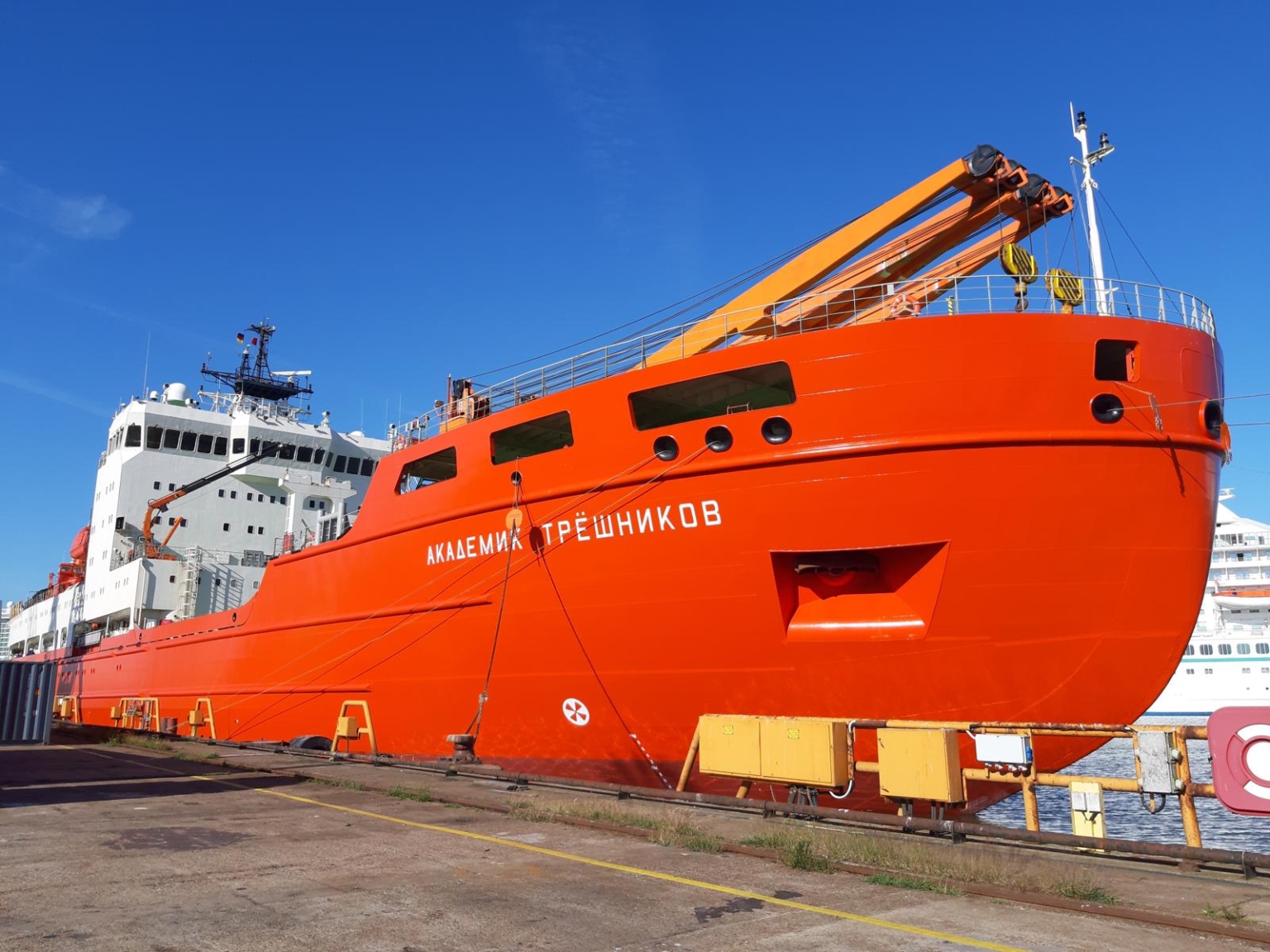
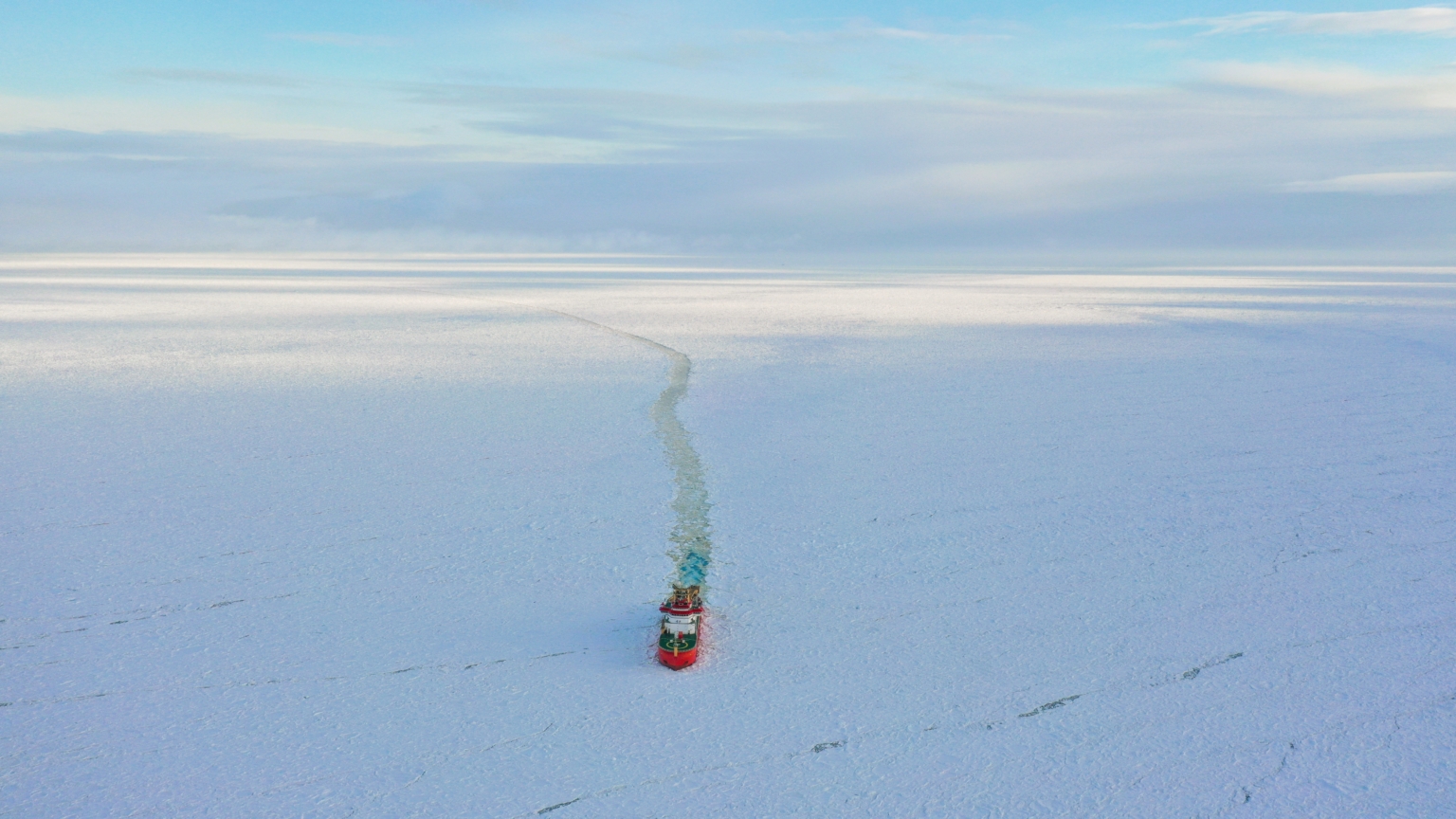
In 2017, the Korean research icebreaker Araon navigated the waters of the Arctic Ocean, followed by additional campaigns in 2020 aboard the German icebreaker Polarstern and the Russian icebreaker Akademik Tryoshnikov.
In these extreme environments, the quality and reliability of the instrumentation are critical factors.
During the most recent campaigns, three experimental chambers equipped with nine impactors—two Bravo Duo (four impactors) and five Bravo—were deployed, demonstrating the reliability of TCR Tecora® instrumentation even under extreme conditions, with stable performance for over two months of operation in harsh polar environments.
In recent years, this technology has played a key role in several international polar missions:
-
Korean icebreaker Araon (2022 and 2023)
-
Spanish icebreaker Hespérides (2019, 2020, and 2023)
-
British icebreaker RRS Sir David Attenborough (2024)
Additionally, at least three new research projects are already being planned for 2027 and 2028, which will once again involve the Sir David Attenborough, the Polarstern, and the new Japanese icebreaker Mirai II.
In total, TCR Tecora® instrumentation has been deployed on five icebreakers from five different countries, confirming its international recognition built on reliability, precision, and adaptability to the most extreme conditions.
Towards a better understanding of a changing climate
Polar regions are changing rapidly, amplifying the effects of global warming. Studying the interaction between ocean, ice, biology, and atmosphere is not only a scientific challenge but also a necessity to improve the predictive capability of climate models.
Through collaboration with international research institutes and the use of instrumentation designed to ensure data quality even under the most extreme conditions, TCR Tecora® makes a tangible contribution to reducing uncertainties about climate radiative forcing and the role of marine aerosols in cloud formation.
A commitment that focuses on the poles, yet with a perspective aimed at the entire planet.
For more details on polar aerosol sampling methods and international missions, click below:





 TCR Tecora x Acoem UK_Banner Header